Servus,
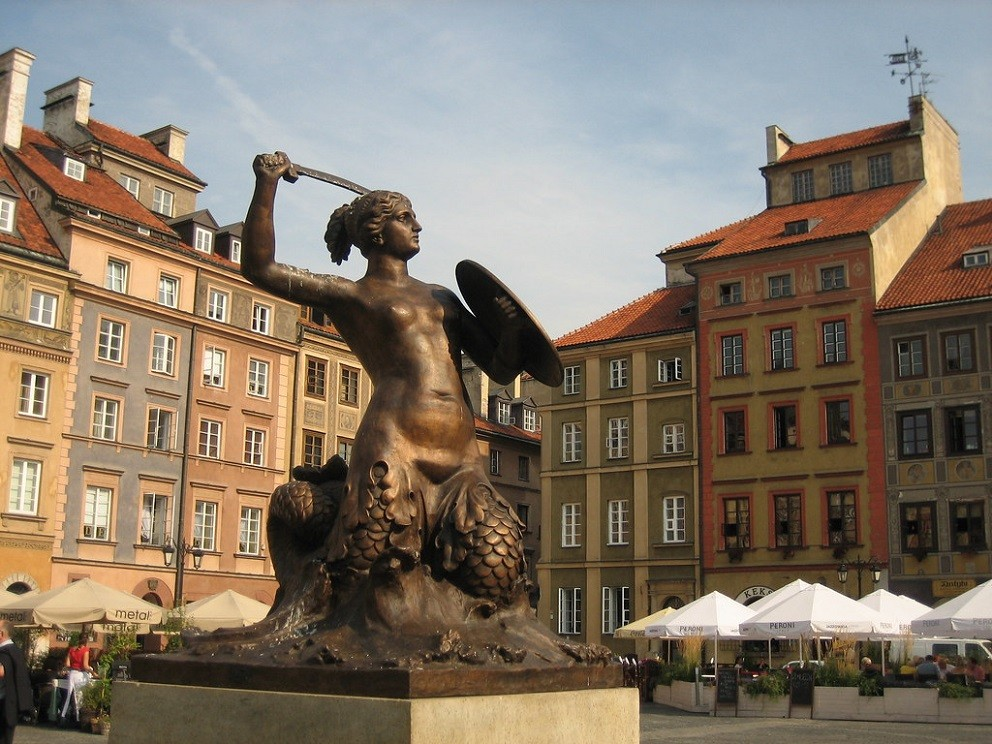
Warsaw.
Repping Austria.



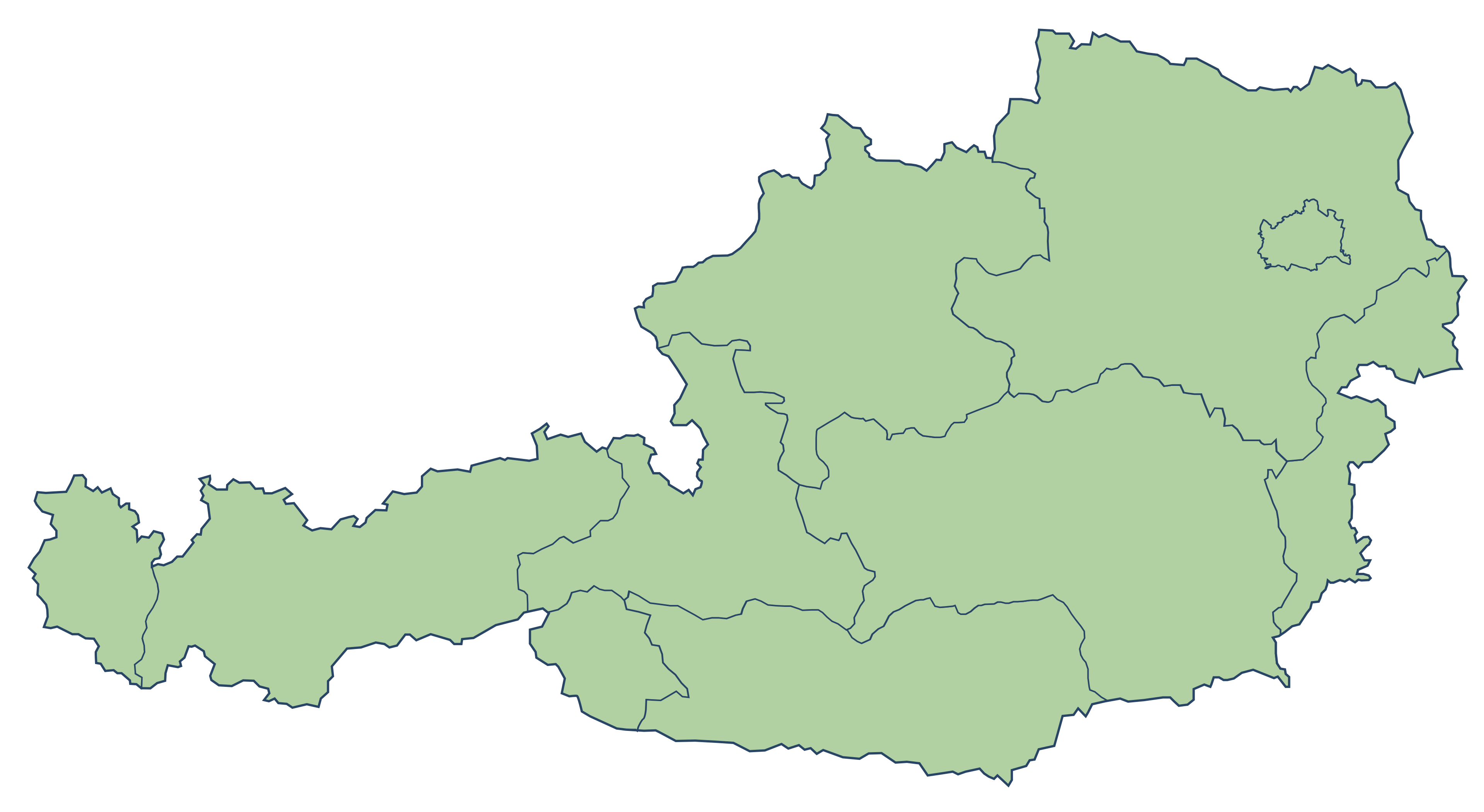
Austria,
at a glance.
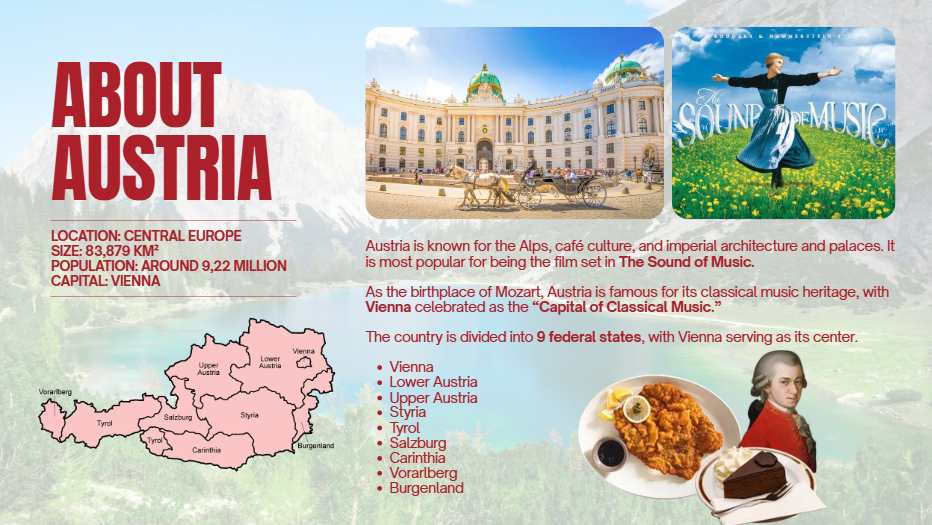
First proof.
Dual
education.


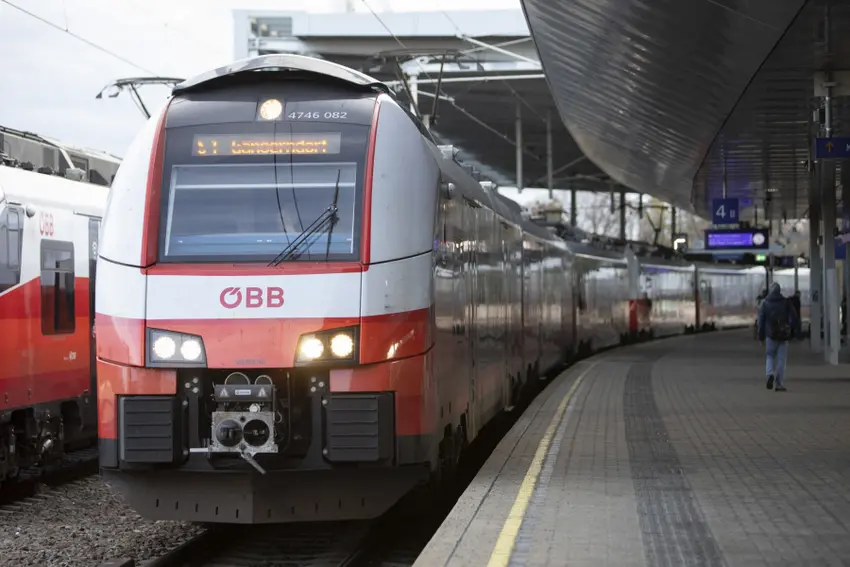
KlimaTicket.
The same systems logic reaches mobility too: one pass, one country, one green choice made easy.
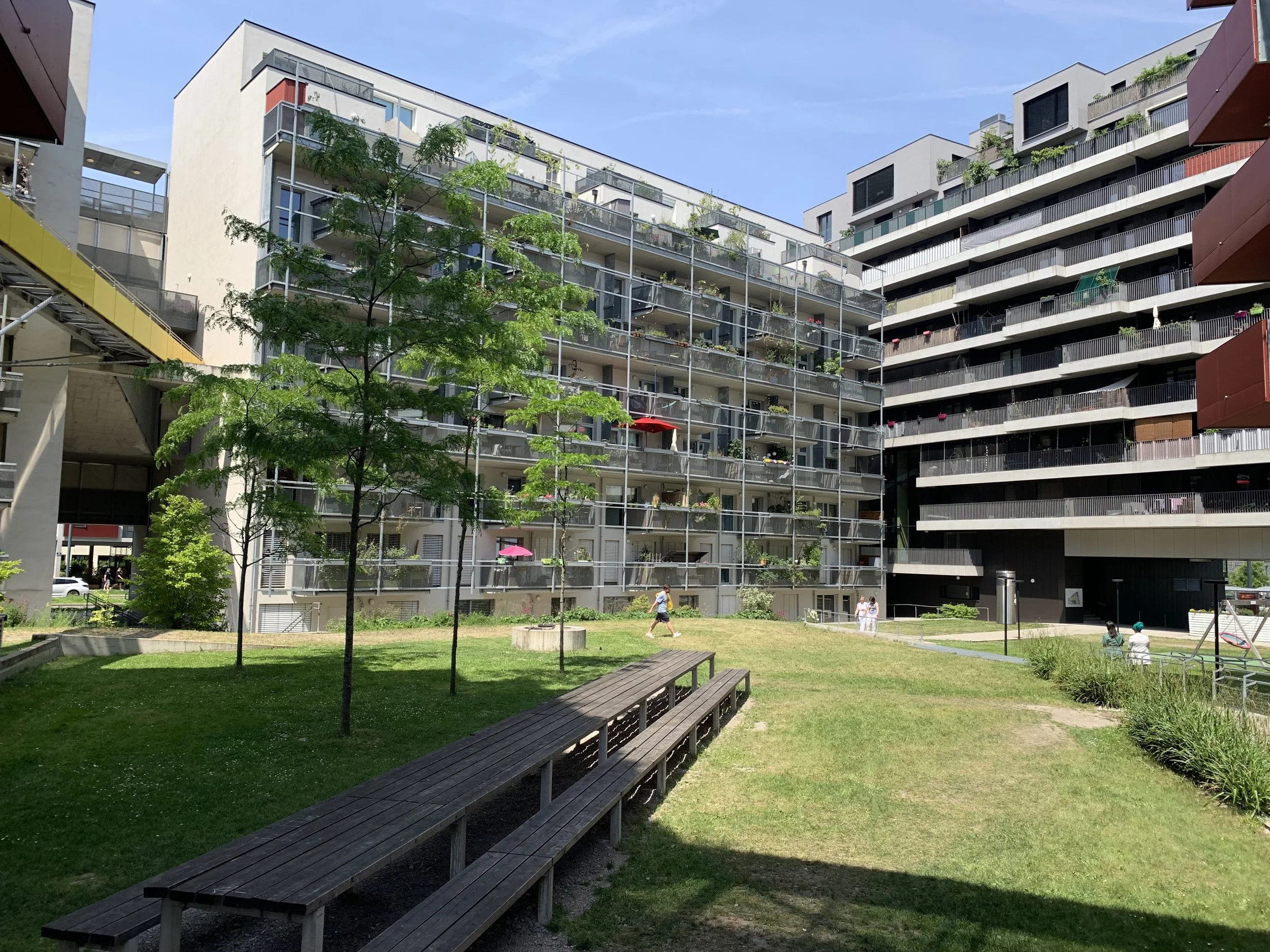
220,000 municipal flats.
200,000 limited-profit homes.
Not an icon building — a repeatable urban block: mid-rise density, shared green space, and rents designed to keep ordinary households inside the city.
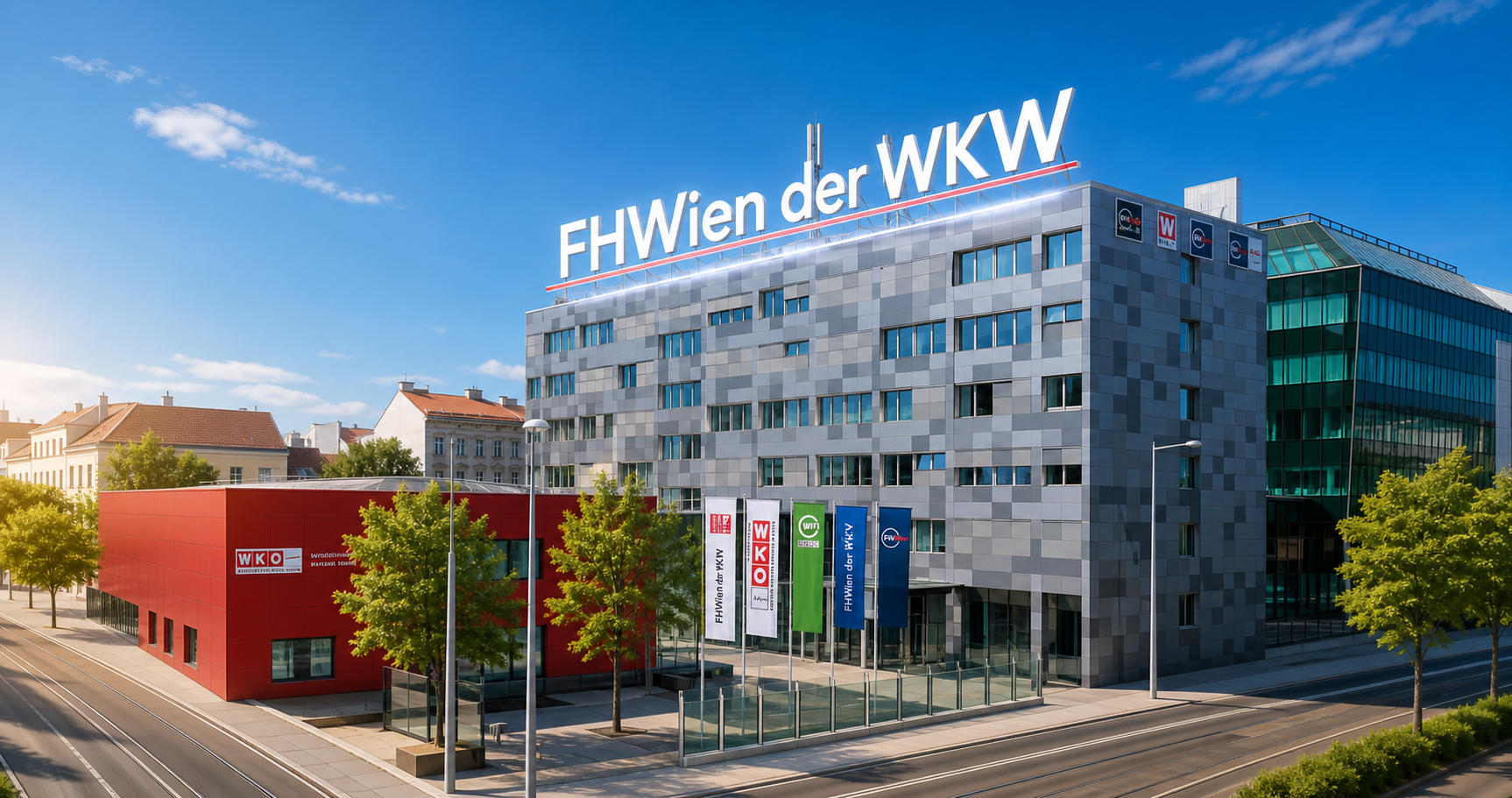
A University of Applied Sciences.
FHWien der WKW is built for execution: industry-linked, professionally oriented, and closer to application than a research-university model.
The model is designed around projects, employers, and professional preparation rather than a purely research-led path.
That is why an FH matters here: talent formation happens next to real firms, real systems, and real implementation pressure.
The public-cost logic matters because it makes a high-skill, practice-based route easier to enter and scale.